Childhood Vaccinations in Nigeria: A Parent’s Guide
Children’s health · Vaccinations
Vaccines are one of the simplest and most effective ways to protect your child from serious illnesses such as measles, polio, whooping cough and some forms of pneumonia and meningitis. If you are a new parent, the number of visits and vaccine names can feel confusing. This guide walks you through the main visits in the first years of life and what to expect.
Quick Answer
In Nigeria, babies receive their first vaccines at birth, followed by visits at 6, 10 and 14 weeks, then at 9 months and 15 months. Keep your child’s immunisation card safe, bring it to every visit, and ask your doctor about catch-up doses if any have been missed.
The main immunisation visits
Nigeria’s national programme sets the schedule, and it is updated from time to time as new vaccines are introduced. The outline below shows the main visits. Your child’s immunisation card and your doctor will confirm exactly which vaccines are due.
- At birth: BCG (against tuberculosis), the birth dose of oral polio vaccine and the birth dose of hepatitis B vaccine
- 6, 10 and 14 weeks: a series of doses that include the pentavalent vaccine (which protects against diphtheria, tetanus, whooping cough, hepatitis B and Hib), pneumococcal vaccine and polio vaccine, with other vaccines such as rotavirus added in line with the national programme
- 9 months: measles and yellow fever vaccines, with others as scheduled
- 15 months: a second dose of measles-containing vaccine
Keep the card safe
Your child’s immunisation card is an important record. Take a photo of it on your phone after every visit, and bring the original to every appointment, including school registration.
What to expect on the day
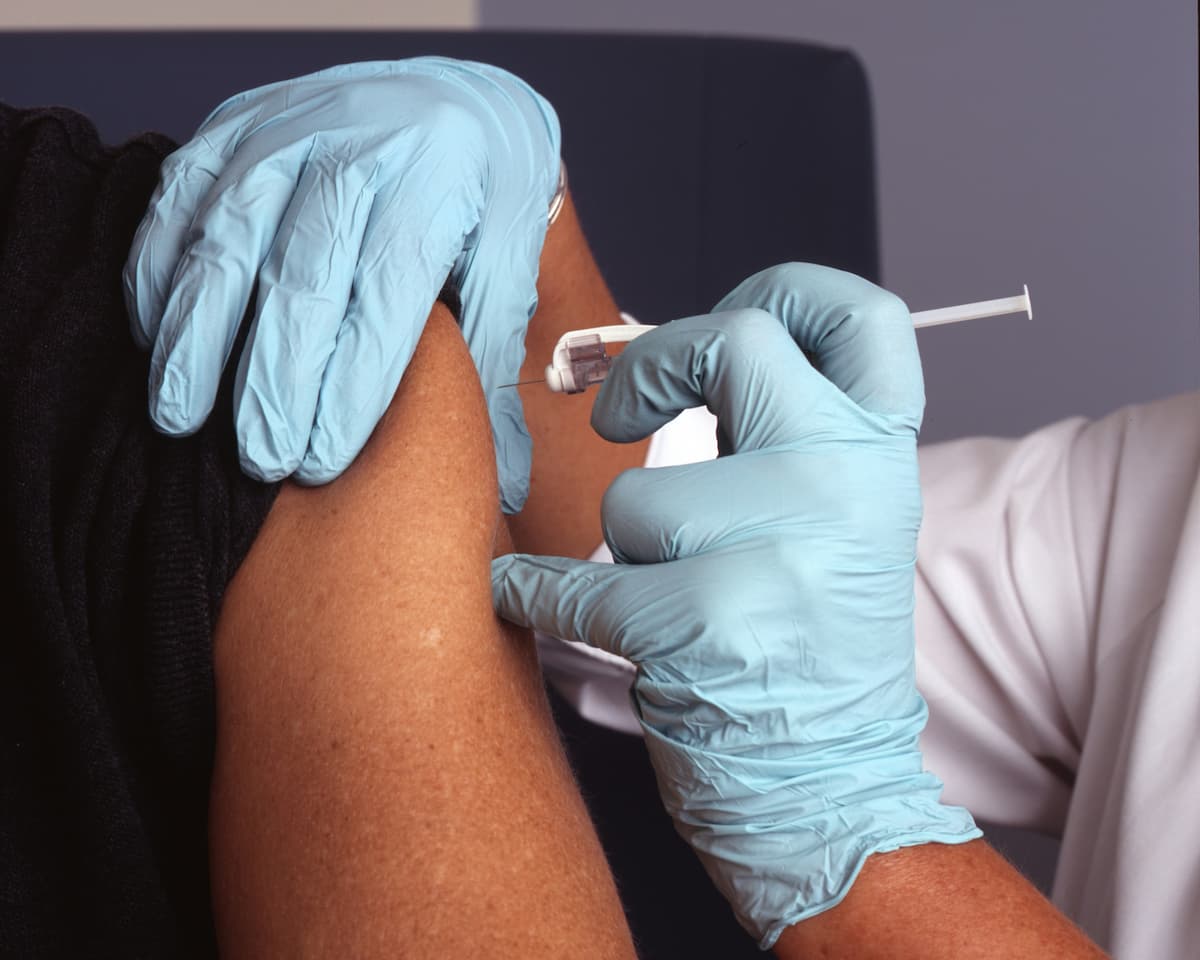
Vaccines are quick. Hold your baby close, feed them if they are hungry, and stay calm: babies take cues from you. Some vaccines are injections and some, like polio, may be given by mouth.
Common side effects
Mild reactions are normal and show the body is building protection. Your child may have a sore spot, a little swelling where the injection was given, mild fever or be fussy for a day or two.
Contact a doctor promptly if your child
Has a high fever, cries inconsolably for hours, has a fit, develops swelling of the face or difficulty breathing, or seems very unwell after a vaccine.
Missed a dose?
It happens. Most vaccines do not need to be restarted from the beginning. Bring your child’s card to a doctor, who will plan the catch-up doses needed.
Vaccinations at The Comforter Hospital
Our team gives childhood immunisations in a calm, child-friendly setting in Surulere and Pako Aguda, keeps clear records and will answer any questions you have about vaccines.
Frequently Asked Questions
Are vaccines safe?
Vaccines are tested carefully before they are approved and are monitored continuously afterwards. Serious reactions are rare, and the protection they give is significant.
Can my child be vaccinated with a cold?
A mild cold is not usually a reason to delay. If your child has a high fever or is very unwell, the doctor may postpone the vaccine for a few days.
Can several vaccines be given on the same day?
Yes. Giving several vaccines at one visit is safe and means fewer appointments for your child.
Do older children and adults need vaccines too?
Yes. Some vaccines need boosters, and adults may need vaccines such as tetanus, hepatitis B or yellow fever. Ask your doctor what is right for you.
Related reading
- Fever in Children: When to See a Doctor
- 7 Signs You Need an Eye Test
- How to Prepare for Your First Antenatal Appointment in Lagos
This article is for general education and is not a substitute for personalised medical advice. Please speak with a qualified healthcare professional about your own circumstances. In an emergency, call the hospital on 0802 306 0423 or the Lagos State emergency lines 112 or 767.

